
The Ethical Tension No One Talks About in Autism Therapy
A free email series for clinicians who feel the gap between what they're trained to do…
and what their clients actually need.
A free email series for clinicians who feel the gap between what they're trained to do… and what their clients actually need.
If you've ever walked out of a session thinking: "I followed the plan… but something still felt off."
You're not alone.
This series is for occupational therapists, BCBAs, SLPs, educators, and clinicians who are navigating the realities of modern care, while trying to stay aligned with what actually helps children.

You're Not Imagining It
Writing Goals That Meet Criteria
But don't reflect the full child
Feeling Pressure
To prioritize productivity over clinical reasoning
Watching 'Progress'
That doesn't carry over into real life
Sitting in Meetings
Where something feels misaligned… but hard to articulate
This isn't a lack of training. And it's not a lack of care.
It's what happens when complex children are treated inside systems built for efficiency.
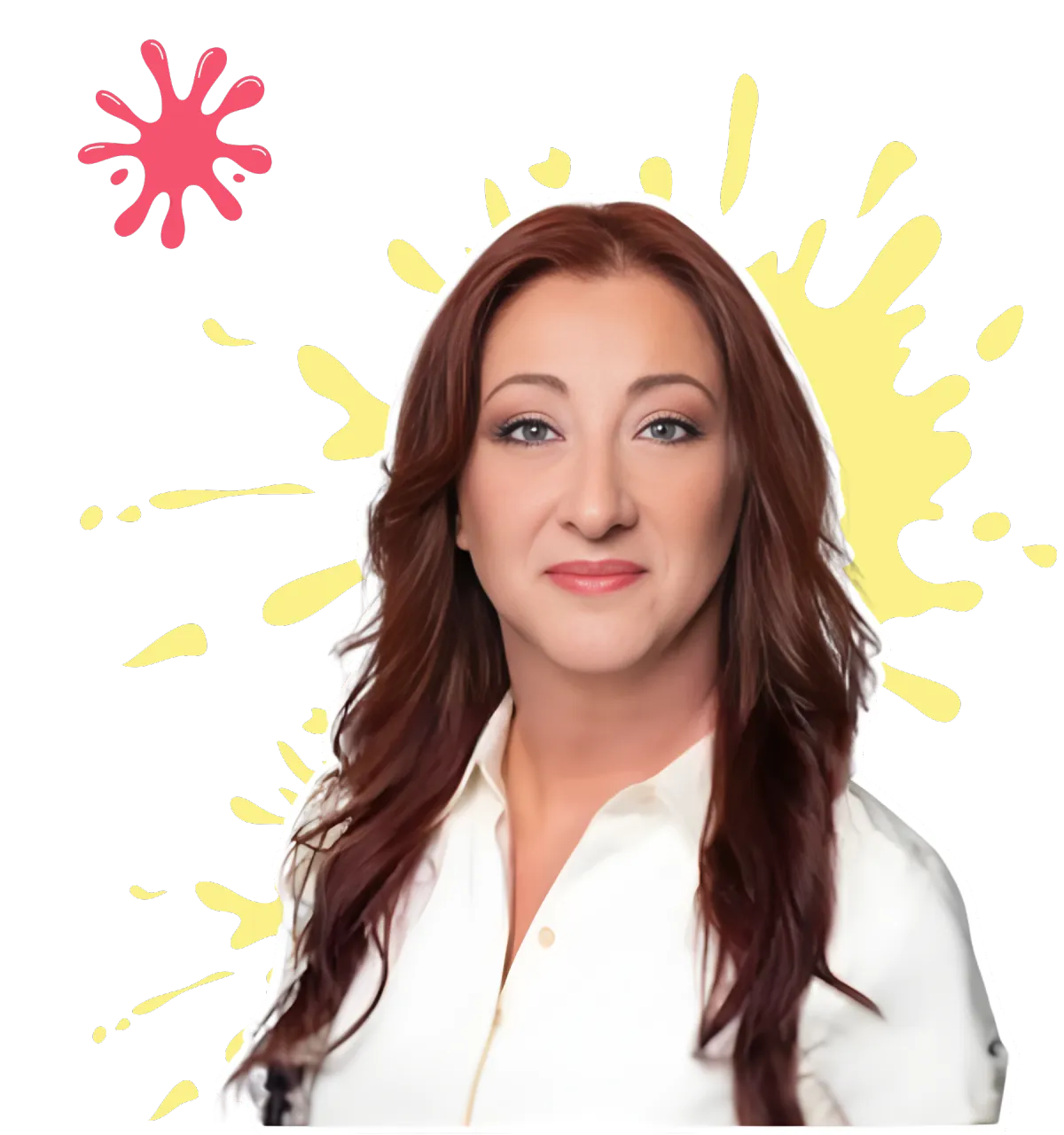
I'm Dr. Shelley Margow
A pediatric occupational therapist and board-certified behavior analyst with over 30 years of experience working across clinical, school, and interdisciplinary settings.
I've sat in the same IEP meetings. Worked within the same insurance constraints. And I've seen where strong clinicians begin to feel that tension: between what's measurable… and what's meaningful.
This series is not about rejecting the field. It's about refining how we practice within it.
What you'll get
Why burnout in this field is often an ethical strain, not a personal failure
Where one-size-fits-all models fall short for complex kids
How sensory processing, regulation, and behavior actually intersect
What it means to move from compliance-based care to connection-based care
Language you can use to advocate for clients within existing systems
How to integrate clinical insight across disciplines without abandoning structure

This Isn't Another Framework
You don't need another model to follow.
You need a way to think.
A way to interpret behavior through a more complete lens, integrate what you already know across disciplines, and stay grounded in both science and clinical reality.
Because the most effective clinicians aren't the ones who follow protocols perfectly.
They're the ones who know when to adapt them.
If Questions Like These Keep You Up...
'Are we measuring the right things?'
'Why isn't this generalizing?'
'What's missing here?'
You're not off track.
You're paying attention.
And that's where better work begins.
Join the Conversation
This is a space for clinicians who want to think deeper about the work they're doing — and how to do it in a way that aligns with both science and integrity.
Start the Free Series
Call
Email:
Site: